HVAC problems rarely show up out of nowhere, and most major breakdowns start as minor issues that quietly get worse over time. Routine maintenance is the difference between catching those early warning signs and discovering them only after the system stops working on the hottest or coldest day of the year. When a unit is cleaned, inspected, and tuned regularly, it can run more efficiently, experience less wear, and avoid many of the failures that lead to urgent HVAC repair. In this blog, we’ll break down how maintenance prevents common problems, protects key components, and helps homeowners avoid unexpected disruptions and costs.
How Routine Maintenance Prevents Common HVAC Repair Problems
Most HVAC repair services deal with gradual issues, such as restricted airflow, dirty components, loose electrical connections, or neglected drain lines. Routine maintenance creates a consistent checkpoint where these problems can be identified and corrected before they cause system strain. When airflow is balanced and parts are kept clean, the system does not have to fight against extra resistance to heat or cool the home. That reduced strain can prevent overheating, short cycling, and premature component failure that often turns a minor fix into a bigger HVAC repair.
HVAC Repair Often Starts With Airflow Issues That Maintenance Can Catch
Airflow is the foundation of comfort and system health, but it is also one of the easiest things to compromise. Dirty filters, blocked returns, clogged coils, and duct issues can all reduce airflow, forcing the system to run longer and harder than it should. Routine maintenance helps identify airflow problems early so corrections can be made before the equipment is stressed. When airflow improves, many symptoms that trigger HVAC repair calls, like uneven temperatures or poor cooling performance, can improve as well.
Filters Set The Tone For System Performance
A clogged filter can reduce airflow and increase strain across the system. Changing filters on schedule is one of the simplest ways to prevent HVAC repair.
Coils And Blowers Need Clean Pathways
Dirty coils and blower components can choke airflow and reduce efficiency. Maintenance cleaning helps restore smooth operation and stable temperature control.
Why Cleaning Components During Maintenance Reduces HVAC Repair Emergencies
Dust and debris do not just make a system dirty; they change how it runs. When coils are coated, heat transfer becomes less effective, which can cause the unit to run longer and potentially freeze up or overheat depending on the season. Dirty burners or flame sensors can create ignition problems that lead to no-heat calls and safety concerns. By cleaning and inspecting key components, routine maintenance helps prevent sudden malfunctions that often require emergency HVAC repair.
Maintenance Helps Spot Electrical Issues Before HVAC Repair Is Needed
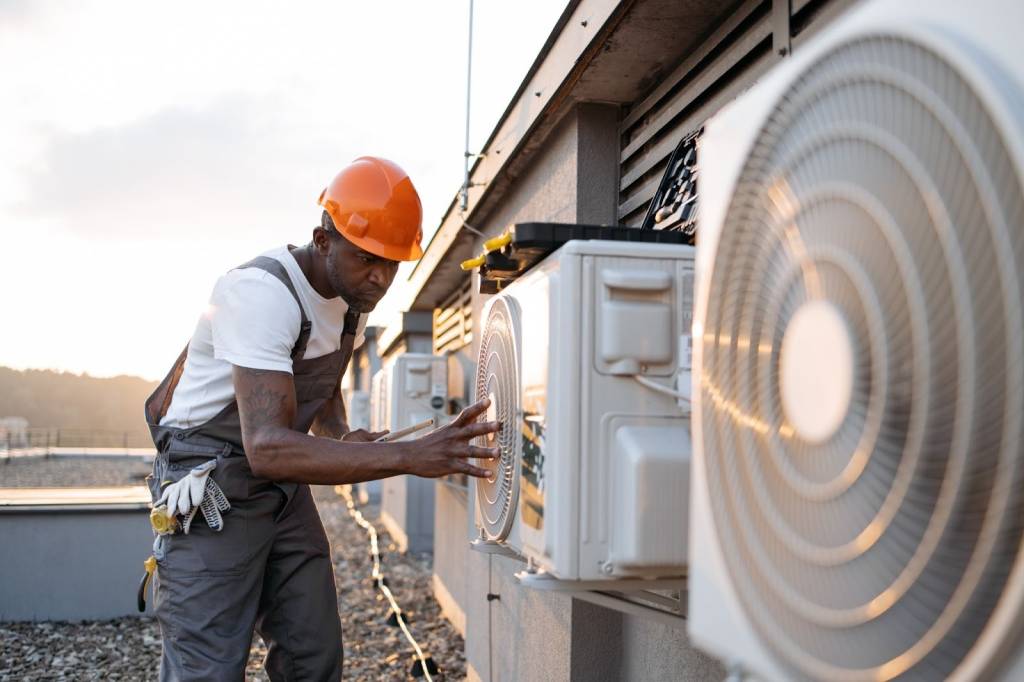
Electrical components can wear down slowly, and minor issues such as loose connections or weak capacitors can escalate into major failures if ignored. During routine maintenance, technicians often check wiring, test capacitors, review the condition of the contactor, and confirm safe electrical operation. Catching these early signs matters because electrical failures can stop a system instantly, often at the worst possible time. Proactively addressing electrical wear reduces the risk of an unexpected HVAC repair that leaves a home without heating or cooling.
Weak Capacitors Can Cause Hard Starts
A failing capacitor can cause the system to struggle to start or to shut down unexpectedly. Replacing it early can prevent a more serious HVAC repair.
Loose Connections Create Heat And Risk
Loose wiring can lead to overheating, inconsistent performance, or component damage. Maintenance inspections help correct these problems before they spread.
Refrigerant and Performance Checks Can Reduce HVAC Repair Over Time
Refrigerant does not get used up during regular operation, so low refrigerant levels often signal a leak or another issue that needs attention. During maintenance, performance checks can reveal problems such as low cooling output, abnormal pressure readings, or ice buildup that may indicate refrigerant issues. Addressing these issues early can prevent compressor strain, which is one of the costliest HVAC repair scenarios. Even when refrigerant is not the issue, performance testing can uncover hidden problems that are easier to fix before they escalate.
Drain Line Maintenance Helps Avoid Water Damage and HVAC Repair Calls
Condensate drains are easy to overlook, but they can cause significant problems when they clog. A blocked drain line can trigger shutdowns, overflow drain pans, and lead to water damage around the unit. In humid climates, this is a frequent reason homeowners call for HVAC repair because the system stops or leaks unexpectedly. Routine maintenance often includes clearing and inspecting the drain system to ensure moisture leaves the unit safely and consistently.
Routine Maintenance Reduces Wear That Leads to HVAC Repair and Early Replacement
HVAC systems contain moving parts that experience friction, vibration, and heat with every cycle. When components are out of balance, dirty, or under strain, that wear accelerates and can shorten equipment life. Routine maintenance helps keep the system within normal operating ranges, which reduces stress on motors, bearings, and other critical parts. Over the long term, this can mean fewer HVAC repair visits and a longer lifespan before replacement becomes necessary.
Short Cycling Accelerates Component Fatigue
When a system turns on and off too frequently, parts wear out faster. Maintenance can correct the causes of short cycling and reduce HVAC repair risk.
Proper Calibration Keeps Operation Stable
Thermostat checks and system adjustments can prevent unnecessary strain. Stable operation often translates to fewer breakdowns and fewer HVAC repair needs.
HVAC Repair Becomes Less Likely When Efficiency Improves
Efficiency is not only about saving money, but it is also about reducing stress on the equipment. When a system runs efficiently, it reaches set temperatures faster and avoids extended run times that heat up components and increase wear. Routine maintenance supports efficiency by improving airflow, cleaning coils, and ensuring the system is operating as designed. That improved performance can reduce the likelihood of the kinds of failures that lead to HVAC repair, especially during peak seasons.

Maintenance Helps Homeowners Catch Small Symptoms Before HVAC Repair Is Urgent
Many homeowners notice small changes before a major failure, but they may not realize those symptoms are warnings. Strange noises, weak airflow, inconsistent temperatures, and higher energy bills can all point to issues that will worsen if ignored. Routine maintenance provides a professional evaluation that can connect those symptoms to real causes. When problems are corrected early, HVAC repair becomes more planned and less emergency-driven.
Why Scheduling Maintenance Is the Simplest Way to Reduce HVAC Repair Stress
The most significant benefit of routine maintenance is that it turns HVAC care into a predictable schedule instead of a sudden crisis. Homeowners can plan visits ahead of extreme weather, make informed decisions, and reduce the odds of a breakdown when the system is working the hardest. While maintenance cannot prevent every issue, it significantly lowers the likelihood of common failures and helps systems run with fewer surprises. If your goal is fewer interruptions, better performance, and less urgent HVAC repair, routine maintenance is one of the most effective steps you can take.
Visit the Air Maxx of Charlotte, Inc. blog to learn more about how routine maintenance can reduce the need for significant repairs down the line.