Indoor comfort shapes how people live at home and how businesses serve customers each day. When heating or cooling systems stop performing as expected, the disruption feels immediate and often stressful. An HVAC technician becomes the professional people rely on to restore comfort, safety, and dependable operation without confusion. These specialists work with systems that control temperature, airflow, and air quality across different environments. Understanding how an HVAC technician supports these systems helps property owners make confident and practical service decisions.
HVAC Technician Job Role Explained
An HVAC technician installs, maintains, and repairs heating, ventilation, and air conditioning systems. This role applies to residential properties, offices, retail spaces, and small commercial buildings. The technician combines mechanical knowledge, diagnostic skill, and safety awareness during every service call. That broad scope explains why HVAC work directly affects comfort, energy use, and daily routines.
HVAC Technician Duties in Homes
An HVAC technician supports homeowners by servicing systems that control indoor temperature and airflow. This residential work commonly includes furnaces, air conditioners, heat pumps, and thermostats. During each visit, the technician checks electrical components, airflow levels, and temperature accuracy. Clear explanations help homeowners understand what needs attention and why. Most repairs aim to restore comfort while protecting long-term system performance. This residential service often includes advice on proper system operation.
HVAC Services for Small Businesses
An HVAC technician helps small businesses maintain consistent indoor conditions throughout operating hours. These commercial systems often serve larger areas with heavier daily use. The technician evaluates zoning controls, duct layouts, and equipment capacity. Service scheduling is usually scheduled during business hours to reduce disruption. Detailed records support maintenance planning and compliance needs. This commercial focus helps businesses avoid comfort complaints and downtime.
What an HVAC Technician is Responsible For
Heating and cooling systems affect comfort, efficiency, and reliability across homes and small businesses. The work behind those systems involves more than occasional repairs or quick adjustments. HVAC technicians handle a wide range of responsibilities that keep equipment operating as intended. Understanding these responsibilities sets the stage for the reasons their role matters in the sections that follow.
Heating and Cooling System Installation
System installation sets the foundation for reliable performance and comfort. An HVAC technician evaluates the building before recommending equipment or layouts. Proper installation supports steady operation and controlled energy use. This preparation reduces issues caused by poor system matching or placement.
Evaluating Space Before System Installation
An HVAC technician starts by assessing building size, layout, and insulation. This evaluation includes windows, occupancy patterns, and existing ductwork. Load calculations determine how much heating or cooling the space requires. Proper sizing prevents uneven temperatures and system strain. The technician also considers how different areas are used on a daily basis. This planning stage guides every installation decision.
Selecting the Right Heating and Cooling System
An HVAC technician helps property owners choose equipment that fits their space and usage. This selection considers efficiency ratings, fuel options, and system compatibility. Oversized systems waste energy, while undersized systems struggle to maintain comfort. Matching the system to actual needs improves reliability. Clear explanations support informed decisions. Proper selection reduces future performance concerns.
Installing Heating and Cooling Equipment
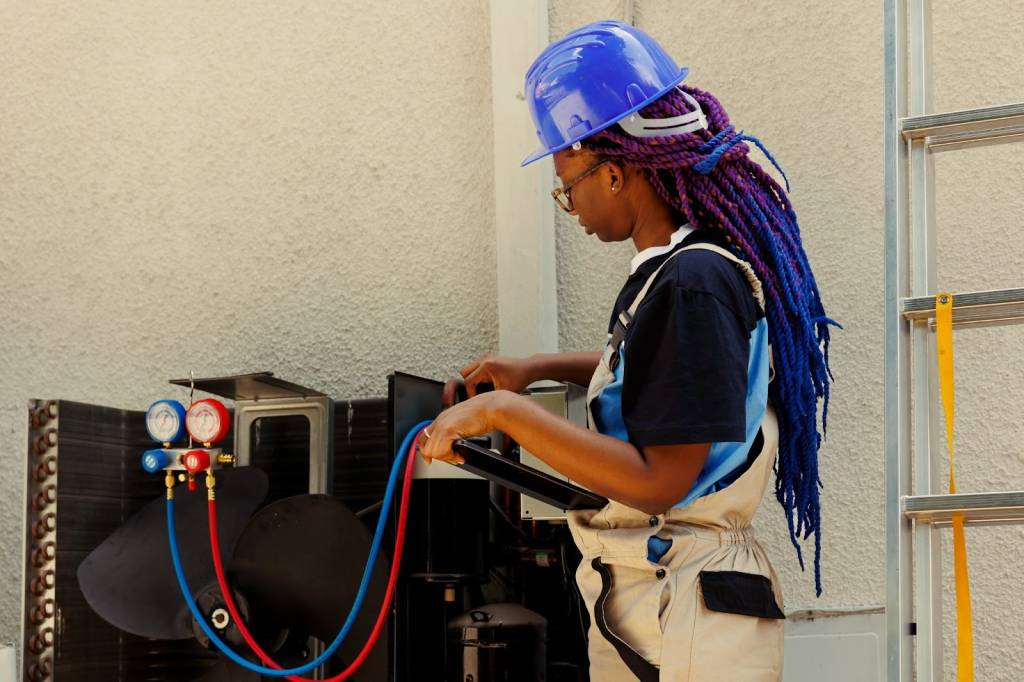
An HVAC technician installs furnaces, air conditioners, or heat pumps in accordance with manufacturer and code requirements. This installation includes electrical wiring, refrigerant lines, and drainage connections. Each component must support safe and reliable operation. After installation, the technician tests airflow and temperature balance. Adjustments fine-tune system performance. Final checks confirm dependable operation.
Ongoing System Maintenance and Equipment Care
Routine care keeps heating and cooling systems dependable year-round. An HVAC technician focuses on preventing issues rather than reacting to failures. This approach supports predictable costs and fewer disruptions. Regular service also helps equipment reach its expected lifespan.
Seasonal System Inspections
An HVAC technician conducts inspections before peak heating or cooling seasons. This service includes checking filters, belts, electrical connections, and safety controls. Cleaning internal components improves airflow and system response. Minor issues often surface during inspections. Addressing them reduces emergency repair needs. Seasonal care prepares systems for heavier demand.
Cleaning and Component Adjustments
An HVAC technician cleans coils, blowers, and drain lines during maintenance visits. This cleaning removes dust and debris that restricts airflow. Adjustments to fan speeds and burners improve system balance. Cleaner systems operate more efficiently. Reduced strain supports longer component life. This care also helps maintain indoor air quality.
Tracking Performance Over Time
An HVAC technician monitors system performance across service visits. This monitoring identifies gradual efficiency losses or recurring issues. Maintenance records provide valuable insights. Early adjustments prevent larger failures. Property owners benefit from predictable upkeep schedules. This tracking supports informed planning.
Repair and Troubleshooting for Comfort Systems
Repair work restores function when systems stop operating correctly. An HVAC technician uses structured diagnostics to locate the root cause. Accurate troubleshooting avoids unnecessary part replacement. This method controls repair time and cost.
Heating System Repair Work
An HVAC technician repairs heating systems by testing ignition and safety components. This work includes inspecting burners, heat exchangers, and sensors. Electrical faults often affect heating consistency. Clear diagnostics guide repair decisions. Each repair focuses on safe heat delivery. System testing confirms stable operation.
Cooling System Repair Tasks
An HVAC technician addresses cooling issues involving compressors, coils, or refrigerant flow. This diagnostic process includes pressure and temperature checks. Electrical problems often cause cooling interruptions. Accurate diagnosis reduces repeat failures. Repairs restore even cooling. Final calibration supports efficiency.
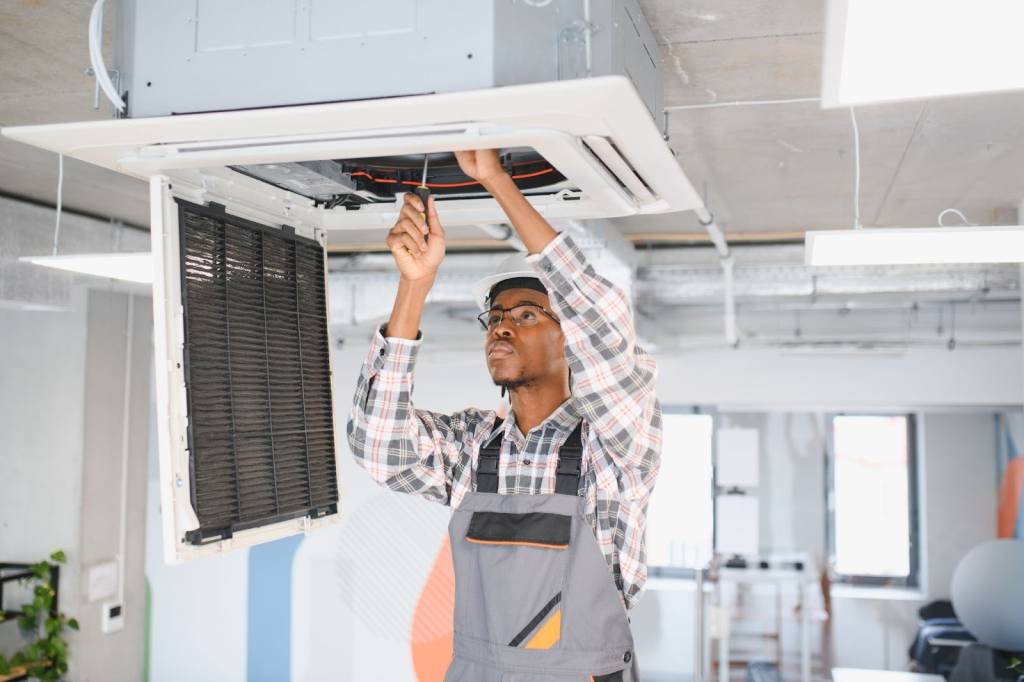
Airflow and Comfort Corrections
An HVAC technician resolves airflow issues that cause uneven temperatures. This work includes inspecting ducts and adjusting registers. Blockages or leaks often reduce system performance. Correcting airflow improves comfort throughout the space. Balanced systems experience less strain. This correction supports efficient operation.
Emergency Support for Heating and Cooling Failures
Unexpected breakdowns require immediate attention. An HVAC technician responds during extreme temperatures or when safety risks arise. Prompt service helps protect occupants and property. Knowing this support reduces stress during outages.
Issues That Require Urgent Service
An HVAC technician treats total system shutdowns as urgent situations. This urgency increases during severe weather or business hours. Gas odors or electrical faults require immediate attention. Safety becomes the primary focus during these calls. Temporary fixes may stabilize conditions. Follow-up service completes repairs.
What Happens During an Emergency Service Call
An HVAC technician begins an emergency visit by securing the space and assessing immediate risks. This initial evaluation focuses on restoring basic operation or preventing further damage. Clear communication explains what the system can safely handle at that moment. Temporary solutions may provide comfort until permanent repairs are completed. Documentation outlines next steps and repair timelines. This structured response helps property owners regain control during stressful situations.
Energy Efficiency Guidance for Property Owners
Energy use affects comfort and operating expenses. An HVAC technician helps property owners manage system performance through practical guidance. This support reduces waste and strain on equipment. Efficient systems maintain steady indoor conditions.
Improving Energy Performance
An HVAC technician fine-tunes thermostats, airflow, and control settings. This adjustment reduces unnecessary energy use without sacrificing comfort. Balanced systems maintain even temperatures. Small changes often deliver noticeable results. Property owners see lower utility costs. Efficient operation reduces wear.
Advising on Efficiency Improvements
An HVAC technician recommends upgrades when systems struggle to operate efficiently. This advice may include updates to controls or improvements to insulation. Older systems often benefit from targeted changes. Clear explanations support informed choices. Owners can weigh costs against expected benefits. Efficiency improvements support long-term savings.
What to Expect From HVAC Service
Professional HVAC services follow consistent standards. An HVAC technician clearly communicates findings and recommendations. Respect for property and safety remains constant. Clear expectations improve service experiences.
Communication and Service Transparency
An HVAC technician provides precise estimates before work begins. This transparency explains labor, parts, and timelines. Honest recommendations prevent unnecessary spending. Owners can ask informed questions. Documentation supports future planning. Clear communication builds trust.
Safety and Worksite Standards
An HVAC technician follows safety procedures during every visit. This practice includes protecting floors and equipment. Compliance with building codes remains consistent. Clean work areas reflect professionalism. Safety protects occupants and property. Standards support reliable results.
Post-Service Guidance and Follow-Up
An HVAC technician explains the system condition after completing service. This guidance helps owners understand what was repaired and what to monitor. Maintenance suggestions support ongoing performance. Clear follow-up recommendations prevent confusion later. Documentation outlines future service needs. This closing communication reinforces confidence in the work performed.
Work With a Trusted HVAC Technician
Comfort, efficiency, and reliability depend on more than the equipment installed in a space. They rely on the judgment, experience, and consistency of the HVAC technician who has serviced that system over time. A trusted professional helps property owners avoid uncertainty by offering clear recommendations, dependable quality, and steady support when conditions change. Choosing the right HVAC technician instills confidence that heating and cooling systems will continue to support daily life and business operations without unnecessary disruption.
Visit the Air Maxx of Charlotte, Inc. blog for clear guidance on comfort systems, maintenance planning, and smarter service decisions.