
Homeowners value steady comfort when seasons shift or temperatures spike. Many people feel confused when their system stops working or produces strange sounds. That frustration grows fast when technical terms appear in maintenance guides or repair notes. Clarity offers confidence when you understand what supports steady indoor comfort. A solid grasp of HVAC basics helps you make smarter home decisions.
Understanding HVAC Systems
HVAC systems manage heating, cooling, and steady airflow inside your home. They stabilize indoor comfort by adjusting temperature and air quality through connected components. They rely on predictable cycles that move air through controlled paths supported by core equipment. They help homeowners enjoy balanced comfort year-round.
What HVAC Means Inside a Home
HVAC stands for heating, ventilation, and air conditioning, which shape your home’s daily comfort. The heating function adds warmth during cold periods by raising the indoor temperature. The cooling function removes unwanted heat when outdoor conditions climb too high. The ventilation function moves air to keep rooms fresh while reducing indoor pollutants. This combined system responds to thermostat settings that guide each cycle. This integrated approach supports steady comfort in every room. This full setup adjusts to your needs with simple temperature commands.
Key Parts of an HVAC System
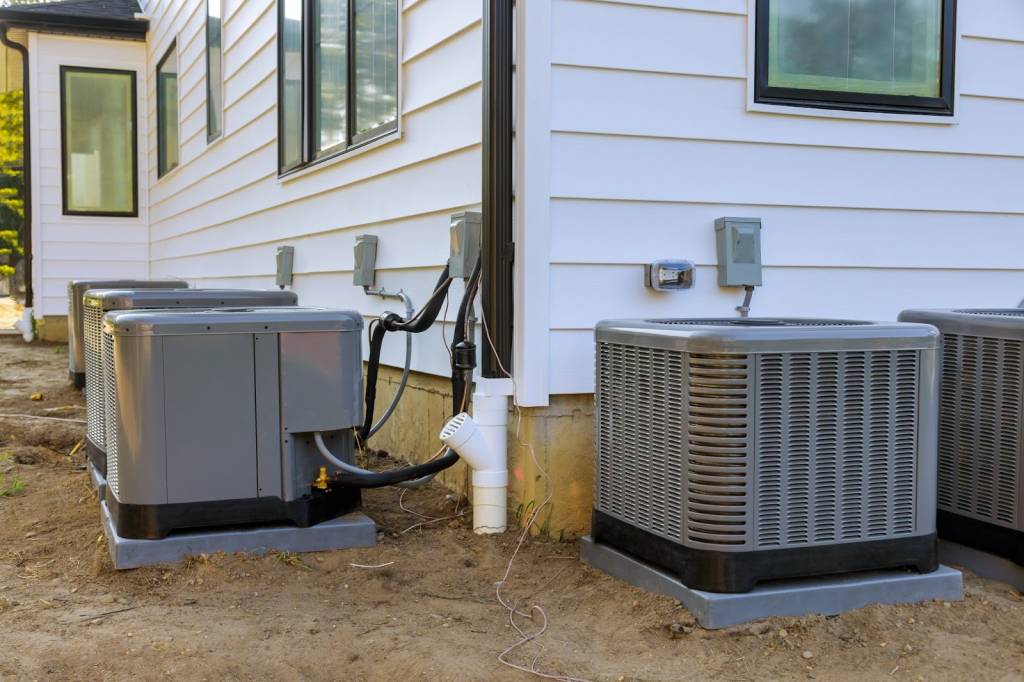
Your HVAC system uses an indoor unit, an outdoor unit, ductwork, and a thermostat to manage comfort. The indoor unit holds coils and a blower that move conditioned air into the home. The outdoor unit releases heat during cooling cycles and facilitates heat transfer in heat pump systems. The duct network carries air throughout the house and returns it to the central system. The thermostat acts as the control point, sending instructions to each component. This equipment works together to create a complete comfort cycle. This shared system stays efficient when all parts operate correctly.
Heating and Cooling Interaction
Heating and cooling share airflow paths, helping maintain even temperatures. The blower sends warm or cool air into ducts that reach every room. The heating cycle raises the air temperature while the cooling cycle removes heat from your indoor space. The thermostat selects which cycle runs based on your chosen setting. This design simplifies comfort by using the same airflow path for both modes. This shared approach reduces system strain and helps maintain consistent airflow. This structure also creates smoother transitions between seasonal temperature changes.
Core Functions of HVAC Systems
HVAC systems operate through heating, cooling, and ventilation cycles that react to your thermostat commands. They adjust the air temperature by moving heat into or out of the home. They move air through ducts or indoor units to maintain a steady indoor environment. They help maintain comfort year-round.
Heating Cycles and Moving Warm Air
Heating cycles begin when the thermostat detects temperatures below your set point. The system pulls cool indoor air into the heating chamber or heat pump. The blower pushes warmed air through ducts into occupied rooms. The return ducts send cooler air back for another cycle. This cycle repeats until the indoor temperature matches your setting. This heating process keeps rooms balanced even on colder days. This steady routine helps your equipment maintain reliable warmth.
Cooling Cycles and Removing Heat
Cooling cycles start when warm indoor air passes over a cold evaporator coil. The refrigerant absorbs heat and transfers it to the outdoor unit. The outdoor coil disperses the heat into the outside air. The blower sends cooler air back into your rooms to lower the temperature. This cooling pattern repeats until the indoor heat drops to your selected level. This cycle helps manage both humidity and temperature. This process helps keep homes comfortable during hot, humid weather.
Ventilation and Indoor Airflow
Ventilation removes stale air and replaces it with cleaner, fresher air. The system carries indoor pollutants out through controlled exhaust points. Fresh air enters through vents or mechanical units, depending on your setup. Balanced ventilation helps stabilize moisture levels across your home. This airflow improvement boosts comfort and air quality. This continuous movement prevents rooms from feeling stuffy. This airflow cycle also supports heating and cooling efficiency.
How Air Moves Through Your Home
Airflow patterns influence how well your HVAC system controls comfort across your rooms. They depend on clean ducts, strong blowers, and open pathways that allow air circulation. They help maintain a consistent temperature on each floor. They affect energy use and overall performance across seasons.
Ductwork and Daily Air Movement
Ductwork carries warm or cool air from the system into different rooms. The supply ducts push treated air forward, while return ducts pull indoor air back. Any leaks reduce comfort by letting conditioned air escape. Dust and debris buildup restricts airflow and makes the system work harder. This duct system supports temperature balance throughout your home. This steady airflow path helps reduce pressure imbalances. This layout only works well when ducts stay sealed and clean.
Air Filters and Cleaner Indoor Comfort
Air filters catch debris, dust, and contaminants before they enter your living space. Clean filters maintain strong airflow, supporting consistent temperature distribution. Clogged filters strain the blower and weaken comfort levels. Homeowners who replace filters on a set schedule notice smoother airflow. This filter routine protects the system from unnecessary strain. This step also improves indoor breathing quality. This simple habit supports long-term HVAC performance.
Thermostat Control and System Response
The thermostat controls heating, cooling, and airflow with simple commands. It monitors room temperature and triggers the system to start or stop. Smart thermostats offer schedules that adapt to your daily routine. Basic models handle simple adjustments with manual buttons. This control device influences how long cycles run and how fast comfort returns. This tool helps homeowners manage energy costs year-round. This direct control also allows the system to react quickly to temperature changes.
What Shapes HVAC Performance
HVAC performance depends on your home’s layout, the system’s age, and yearly maintenance habits. These factors influence how well the equipment handles temperature shifts. They also affect energy use and overall reliability. They help determine long-term comfort and operating cost.
Home Size and Layout Impact
Your home’s size affects the airflow needed for steady comfort. Open layouts allow conditioned air to move easily, while narrow rooms restrict airflow. Multi-story homes often show temperature differences between floors. Larger spaces need stronger equipment to maintain balance. This layout variation influences which HVAC system works best. This factor also affects duct design and placement. This consideration guides homeowners toward the correct system capacity.
System Age and Wear Over Time
Older systems lose efficiency after years of heating and cooling cycles. Parts wear down and weaken airflow strength. Dust builds up across coils and slows heat transfer. Wiring and motors tire from repeated use. This aging process increases energy use over time. This decline also increases the risk of breakdowns during peak seasons. This trend pushes many homeowners to consider upgrades.
Maintenance Habits That Improve Output
Routine maintenance keeps HVAC systems responsive and efficient. Filter changes help the blower move air without strain. Professional cleaning supports stronger heating and cooling cycles. Technicians inspect for leaks, weak wiring, and worn parts. This proactive care reduces unexpected breakdowns. This routine also helps maintain good indoor air quality. This habit extends system life while lowering long-term costs.
HVAC Safety and Indoor Air Health
HVAC systems affect indoor health by controlling airflow, temperature, and pollutant levels. They support cleaner breathing conditions when used with proper filtration and ventilation. They limit moisture buildup, which can lead to mold or odor issues. They help protect and comfort throughout your home.
Spotting Early Equipment Problems
Strange sounds often signal loose or aging components. Sharp odors may show clogged filters or overheating parts. Weak airflow can mean blocked ducts or blower issues. Rising energy bills can reflect declining efficiency. This shift in performance may indicate worn equipment. This pattern helps homeowners catch problems before they spread. This awareness leads to quicker repairs and better comfort and stability.
Ventilation’s Role in Cleaner Indoor Air
Ventilation moves stale air out while cycling fresh air inside. It reduces the buildup of pollutants from cooking, cleaning, and daily living. Strong airflow helps prevent moisture from becoming trapped in corners and closets. Fresh air movement also lowers odors and airborne irritants. This ventilation process boosts comfort by making rooms feel more open. This feature improves breathing comfort for sensitive occupants. This function also helps regulate humidity across seasons.
Improving Indoor Air Quality at Home
Clean filters lower the number of airborne particles in your home. Air purifiers help families dealing with asthma or allergies. Humidity control balances moisture and keeps surfaces dry. Strong airflow reduces odors and keeps indoor air moving. This simple upkeep lowers irritation from dust and fumes. This practice supports healthier living spaces with minimal effort. This strategy helps homeowners maintain cleaner indoor conditions.
Practical HVAC Tips for Homeowners
Homeowners improve comfort by choosing systems that match their space and habits. They strengthen performance with simple routines that support airflow. They manage costs with efficient settings and more intelligent thermostats. They provide comfort with scheduled service visits.
Choose the Right HVAC System
Choose a system that fits your home’s size and airflow layout. Oversized units cool or heat too fast and waste energy. Undersized units run longer and struggle to keep up. Professional sizing tests help decide the correct capacity. This planning step prevents uneven comfort in different rooms. This evaluation also reveals hidden airflow restrictions. This approach leads to stronger long-term performance.
Reduce Utility Costs With Simple Habits
Regular filter changes help your system move air smoothly. Slight thermostat adjustments lower monthly utility bills. Closed blinds reduce heat gain during warm months. Open vents support airflow, maintaining room balance. This habit keeps each room cooler or warmer with less effort. This strategy reduces strain on the system over time. This shift improves long-term energy savings.
Schedule Annual HVAC Service
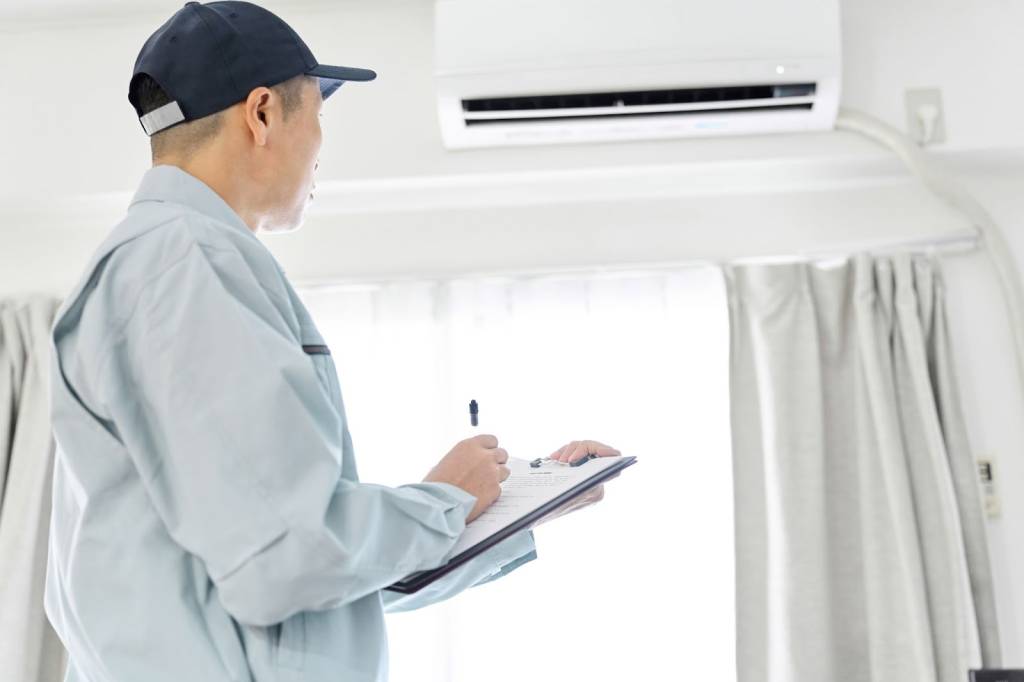
Annual service keeps heating and cooling equipment in strong working condition. Technicians check refrigerant, wiring, and motors for early signs of wear. They clean coils that influence temperature control. They tighten connections that support safe equipment operations. This annual checkup improves reliability during peak seasons. This routine also identifies concerns that homeowners may overlook. This maintenance step stabilizes comfort year-round.
Build Better Comfort With Reliable HVAC Systems
Your home feels calmer and safer when your HVAC setup runs with steady strength, not stress. A simple step toward professional care keeps your system responsive before harsh weather tests it. That choice gives you more control over comfort, cleaner air, and fewer surprises during heavy usage. If you want a home that stays comfortable without constant worry, reach out to a trusted HVAC service and keep your system working at its best.
Stay informed and ready for every season with the Air Maxx of Charlotte, Inc. blog, where real HVAC advice meets everyday homeowners.