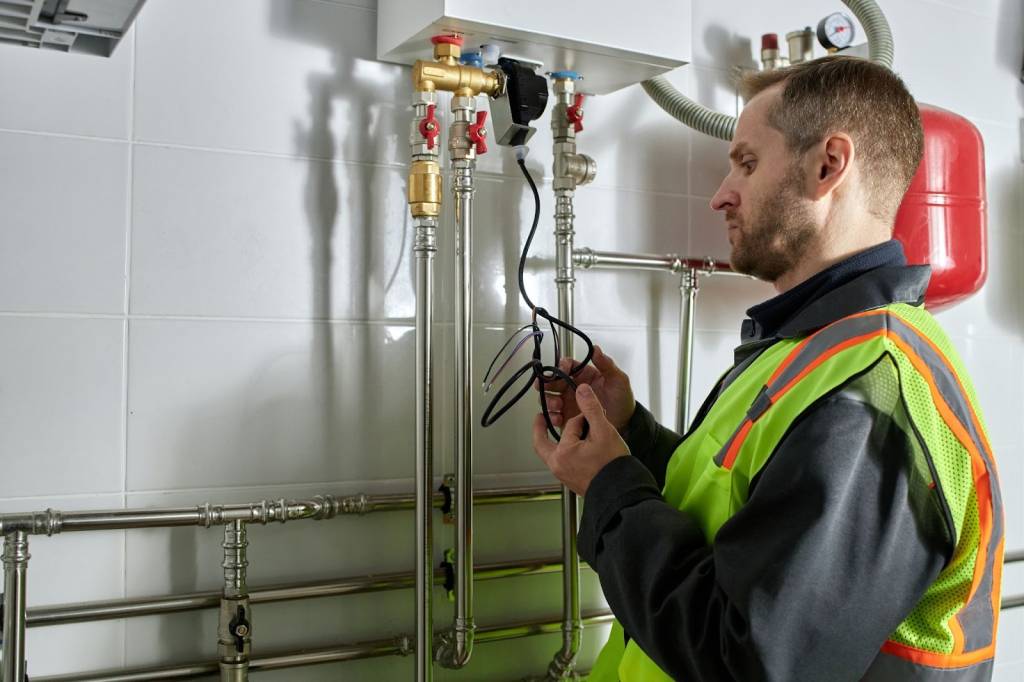
Heating maintenance often receives attention only after comfort drops or bills rise. Homeowners rely on heating systems every day, yet many signs of strain remain easy to miss. Over time, unchecked stress shortens equipment life and increases repair frequency. Heating maintenance keeps performance steady by reducing wear and supporting efficiency. That steady care protects comfort, budgets, and long-term system reliability.
Heating Maintenance and System Lifespan
Heating maintenance refers to routine care that helps limit wear and preserve performance. This ongoing care reduces mechanical strain caused by heat, friction, and airflow resistance. Systems that receive consistent attention last longer and operate more predictably. Heating maintenance also lowers the chance of sudden failures during high-demand periods.
Mechanical Wear Develops Through Daily Use
Mechanical wear occurs every time a heating system cycles on and off. This repeated motion affects motors, bearings, and belts. Without heating maintenance, friction increases, accelerating breakdown. Dust buildup worsens wear by trapping heat around moving parts. Minor alignment issues grow when left unchecked. Regular inspection keeps wear patterns under control.
Heat Stress Weakens Internal Components
Heat stress happens when airflow drops, and temperatures climb inside the unit. This trapped heat causes metal fatigue and weakens joints over time. Heating maintenance restores airflow and regulates internal temperatures. Technicians inspect heat exchangers and ventilation paths during service. Balanced heat movement protects sensitive components. Lower stress extends overall system durability.
Electrical Stability Supports Long-Term Operation
Electrical systems manage frequent startups and shutdowns. Loose connections create resistance and unwanted heat. Heating maintenance includes tightening terminals and testing controls. Stable electrical flow protects circuit boards and sensors. Reduced strain prevents unexpected shutdowns. Reliable power delivery supports consistent performance.
Practical Upkeep Steps for Home Heating
Homeowner heating maintenance includes simple tasks that support system health. These actions require consistency rather than technical expertise. Small habits reduce strain and help detect changes sooner. Daily awareness plays a valuable role in system longevity.
Replace Air Filters on a Consistent Schedule
Air filters block dust before it reaches internal components. When filters clog, airflow slows and heat builds up. This restricted airflow forces the system to work harder. Heating maintenance includes replacing filters regularly. Clean filters improve indoor air quality. Steady airflow protects motors and heat exchangers.
Check Thermostat Accuracy and Settings
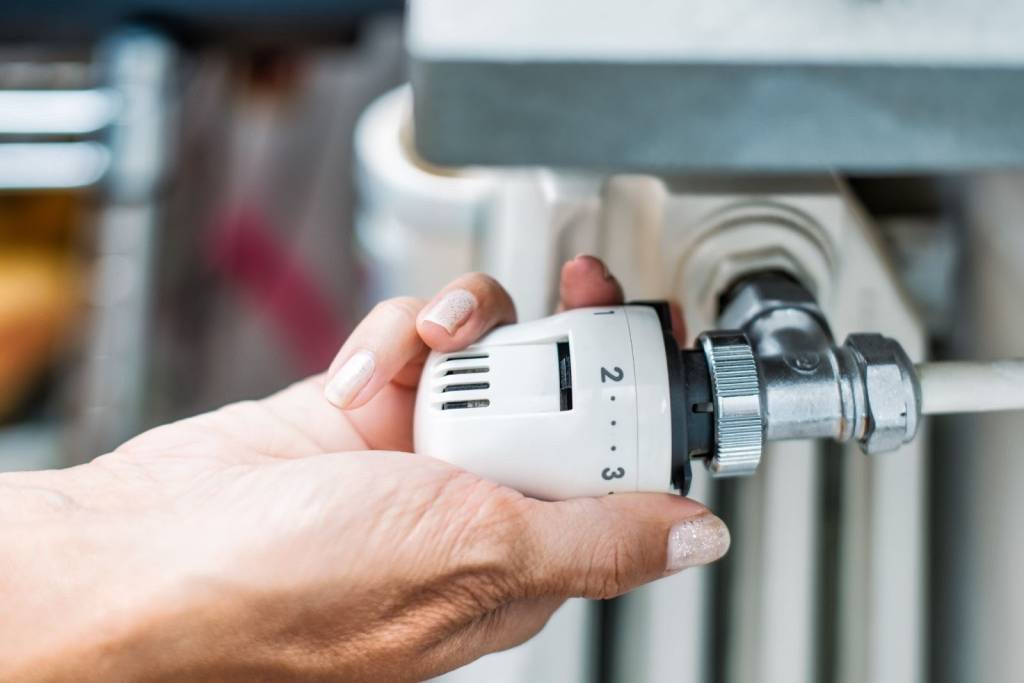
Thermostats control how often the heating system runs. Inaccurate readings cause unnecessary cycles and extended runtime. Heating maintenance includes checking calibration and battery condition. Proper settings prevent temperature swings. Stable cycles reduce stress on burners and fans. Accurate control supports consistent comfort.
Keep Vents and Registers Clear
Blocked vents disrupt airflow throughout the home. Furniture and rugs often restrict registers without notice. Heating maintenance includes keeping vents unobstructed. A clear airflow prevents pressure buildup in ducts. Balanced delivery reduces uneven system strain. Even heating improves comfort and efficiency.
Professional Heating Maintenance Services
Professional heating maintenance covers tasks beyond the homeowner’s reach. Trained HVAC technicians identify issues hidden inside the system. Professional service supports safety and long-term performance. Annual visits create a dependable maintenance routine.
Inspections to Reveal Early Signs of Strain
Professional inspections examine electrical, gas, and safety components. Minor irregularities often signal the onset of system stress. Heating maintenance visits catch these signs before damage spreads. Technicians test ignition systems and safety controls. Early adjustments prevent widespread component issues. Inspections protect both equipment and occupants.
Internal Cleaning to Restore System Balance
Dust accumulates inside blowers and burners over time. This buildup interferes with airflow and combustion. Heating maintenance removes debris using proper tools. Clean components operate at safer temperatures. Improved airflow reduces runtime demands. Clean systems respond faster to thermostat signals.
Lubrication to Kees Moving Parts Smooth
Moving parts rely on proper lubrication for smooth motion. Dry bearings increase resistance and noise. Heating maintenance includes applying approved lubricants. Reduced friction lowers energy use during operation. Smoother movement limits component fatigue. Lubrication supports quiet, stable performance.
Planning Heating Care Around Seasonal Changes
Seasonal heating maintenance aligns care with changing demand levels. Systems face heavier loads during colder months. Planned service reduces the risk of interruptions during peak use. Timing maintenance improves reliability year-round.
Pre-Season Checks Prepare for Cold Weather
Pre-season service evaluates readiness before sustained operation. Worn parts may struggle under heavy demand. Heating maintenance identifies these weak points in advance. Technicians test startup sequences and safety systems. Addressing issues beforehand improves reliability. Prepared systems handle longer runtimes with less strain.
Post-Season Reviews Support Recovery
Post-season reviews assess wear after months of operation—heating maintenance checks for residue, warping, and loose fittings. Minor repairs completed afterward prevent lingering damage. Systems rest more effectively during warmer months. Reduced carryover wear supports future performance. Recovery periods contribute to longer system life.
Habits That Build Better Heating Maintenance
Heating maintenance improves most when homeowners build supportive habits. Minor adjustments create noticeable benefits over time. Awareness encourages proactive care instead of reactive repairs. Positive routines strengthen system reliability.
Pay Attention to New Sounds and Smells
Unusual sounds often indicate shifting components. New odors may signal dust buildup or changes in airflow—heating maintenance benefits when homeowners notice these signals early. Prompt attention allows for minor fixes rather than larger repairs. Early awareness limits system stress. Listening to the system builds confidence and control.
Schedule Maintenance as a Preventive Step
Routine service prevents surprises during cold periods. Heating maintenance works best when scheduled consistently. Planned visits reduce emergency repairs and downtime. Systems operate more smoothly with regular attention. Predictable care lowers long-term costs. Prevention supports steady comfort.
Use Proper Parts and Professional Guidance
Correct replacement parts preserve system balance. Professional guidance helps match components accurately—heating maintenance benefits from expert selection and installation. Proper parts reduce alignment and airflow issues. Systems operate closer to design standards. Thoughtful choices protect performance.
How Consistent Maintenance Enhances Home Comfort
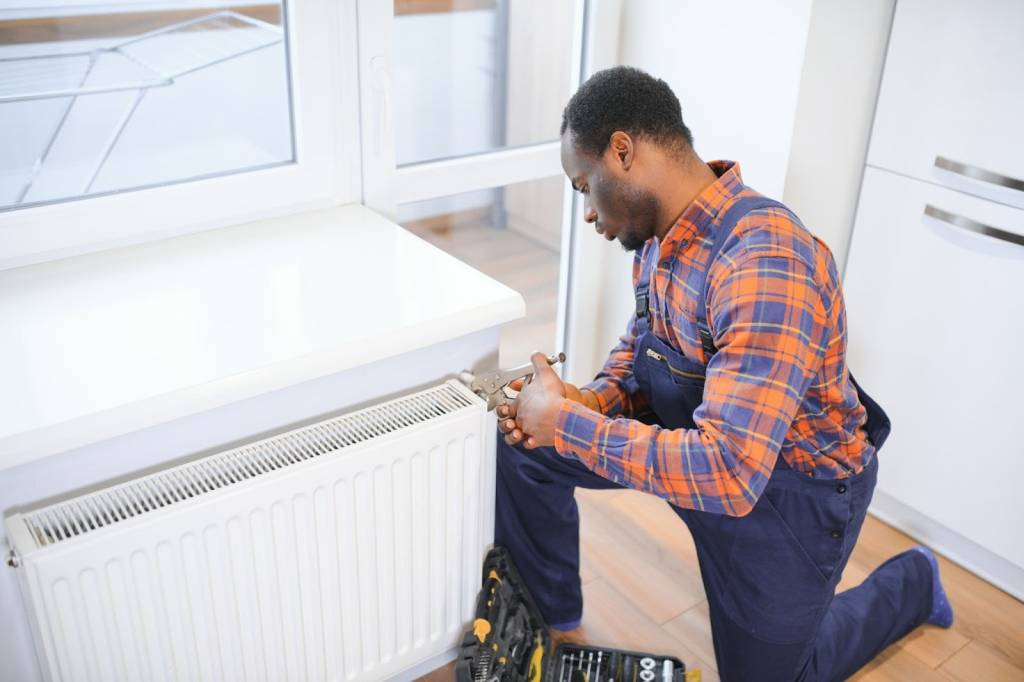
Consistent heating maintenance supports even temperatures and steady performance throughout the home. Balanced airflow allows warmth to distribute evenly, which reduces the need for longer, more demanding system cycles. When the operation stays stable, motors and burners experience less strain and respond more efficiently to thermostat settings. This improved efficiency lowers energy use, limits internal heat stress, and helps the system maintain comfort without unnecessary wear over time.
Indoor Air Quality and Heating Maintenance
Indoor air quality directly affects how hard a heating system must work. Dust, dander, and airborne debris move through the system daily. Poor air quality increases internal buildup and restricts airflow. Heating maintenance becomes more effective when homeowners understand this connection.
Household Pollutants Increase Internal System Strain
Household pollutants enter the heating system through return air: this internal exposure coats blowers, burners, and coils over time. Heating maintenance addresses buildup, but prevention also matters. Homes with pets, smokers, or frequent renovations generate more debris. That added load results in longer runtimes and greater heat exposure. Cleaner air reduces internal stress and extends component life.
Humidity Levels Affect Heating Performance
Indoor humidity influences how heat moves through the home. Dry air feels cooler and triggers longer heating cycles. Excess moisture encourages dust adhesion inside system components. Heating maintenance works better when humidity stays balanced. Proper humidity reduces runtime demands and internal residue. Balanced air conditions support stable system operation.
Ductwork Condition and Heating System Longevity
Ductwork condition plays a quiet but influential role in heating performance: air leaks and poor insulation increase system workload. Many homeowners overlook ducts during heating maintenance discussions. Addressing duct health reduces unnecessary strain.
Leaky Ducts Force Longer Heating Cycles
Leaky ducts lose heated air before it reaches living spaces. This loss forces the system to run longer to meet thermostat demands. Heating maintenance that ignores ducts leaves efficiency gains unrealized. Longer cycles increase wear on motors and burners. Sealing leaks reduces runtime pressure. Improved airflow efficiency supports longer system life.
Restricted Ducts Disrupt Air Balance
Collapsed or blocked ducts restrict airflow. Uneven airflow creates hot and cold areas throughout the home. Heating maintenance includes checking for pressure imbalances. Balanced ducts reduce cycling frequency. Reduced cycling protects electrical and mechanical components. Air balance directly affects durability.
Short Cycling and Heating Maintenance Impact
Short cycling describes frequent system starts and stops. Many homeowners notice it but underestimate its effect. This pattern increases electrical and thermal stress. Heating maintenance strategies often focus on correcting this issue.
Frequent Startups Increase Electrical Load
Each startup draws a surge of electrical current. Repeated surges strain control boards and wiring. Heating maintenance addresses loose connections and control issues. Correcting short cycling stabilizes electrical demand. Stable power flow protects sensitive components. Reduced startup frequency improves reliability.
Rapid Temperature Changes Stress Materials
Quick heating and cooling cycles cause expansion and contraction, fatiguing metal components under repeated stress. Heating maintenance aims to stabilize the cycle length. Longer, steadier cycles reduce material strain. Reduced expansion stress limits cracking and warping. Structural stability supports system longevity.
Maintenance Timing Based on Home and System Age
Heating maintenance works best when timing matches the home and equipment. Older homes and newer systems face different challenges. Uniform schedules overlook these differences. Tailored maintenance improves results.
Older Homes Create Unique Heating Demands
Older homes often lack modern insulation standards. Heat loss forces longer heating cycles. Heating maintenance accounts for this added demand. Technicians adjust expectations and service focus. Addressing airflow and sealing gaps reduces workload. Targeted care supports aging structures.
Aging Systems Require Closer Monitoring
As systems age, tolerances narrow and wear accelerates—heating maintenance shifts from optimization to preservation. More frequent inspections catch subtle changes. Early detection prevents cascading failures. Monitoring aging components stabilizes performance. Customized schedules extend usable life.
Prioritize Heating Maintenance for Lasting Performance
Heating maintenance shapes how reliably your system supports daily comfort and long-term costs. Small, consistent choices protect equipment from avoidable stress and unpredictable breakdowns. When maintenance becomes part of routine home care, systems perform more consistently and experience fewer disruptions. Homeowners who treat heating maintenance as an ongoing responsibility, rather than a reaction, create a home that stays comfortable and dependable through every season.
Thoughtful maintenance leads to dependable heating. Learn what matters most by reading the Air Maxx of Charlotte, Inc. blog today.
