
Indoor air problems often show up quietly, then linger longer than expected. Homeowners notice dry skin, stubborn dust, or air that feels heavy at night. The search for relief often leads to comparisons between an air purifier and a humidifier. Although both devices improve indoor comfort, they solve very different problems. Knowing how each one works helps homeowners avoid buying the wrong solution.
Air Purifier vs. Humidifier Overview for Homes
An air purifier cleans indoor air by removing particles, while a humidifier adds moisture to dry air. These devices target separate comfort issues, which explains why confusion happens during shopping. Homeowners often assume both improve air quality in the same way, but the results differ. Clear definitions at the start make the comparison easier and more practical.
When Homeowners Confuse These Two Devices
Many homeowners associate both devices with healthier air. This overlap in perception causes frequent buying mistakes. Marketing language often groups them under the category of air quality solutions. This grouping hides the functional differences that matter most. Clear labeling does not always explain outcomes. Understanding intent helps prevent mismatched expectations.
What an Air Purifier Does in a Home
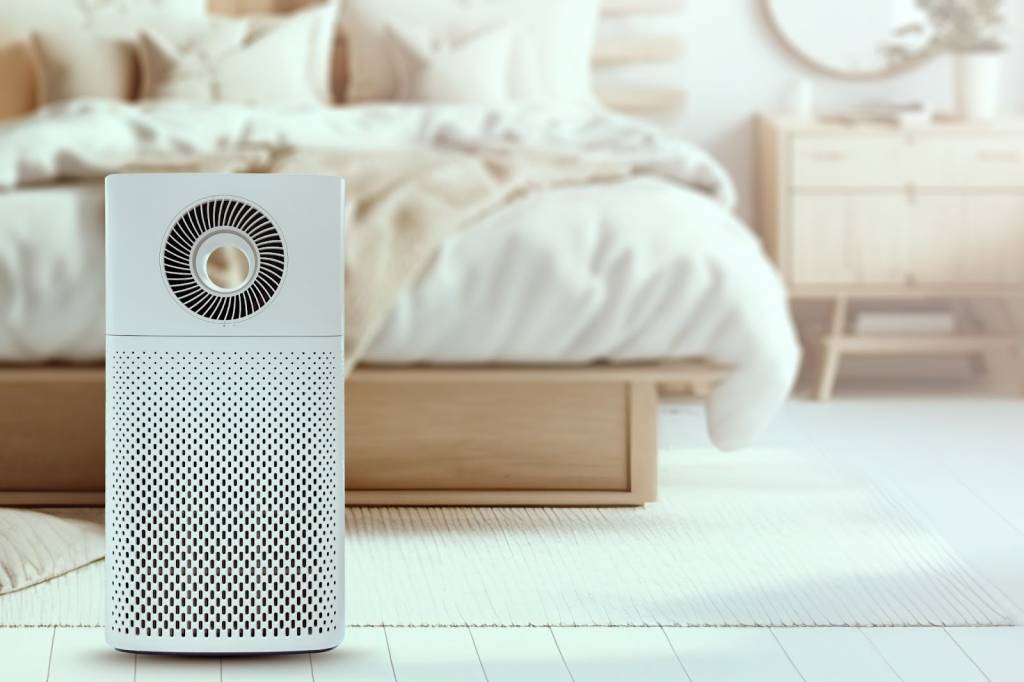
An air purifier removes airborne contaminants from indoor spaces. This device pulls air through filters that trap dust, pollen, pet dander, and smoke particles. Many models also reduce odors caused by cooking or pets. This filtered air then circulates back into the room, improving breathing comfort over time. People with allergies often notice fewer symptoms after consistent use. Based on recent indoor air quality studies, HEPA-based purifiers effectively capture the most common household particles.
What a Humidifier Does for Indoor Comfort
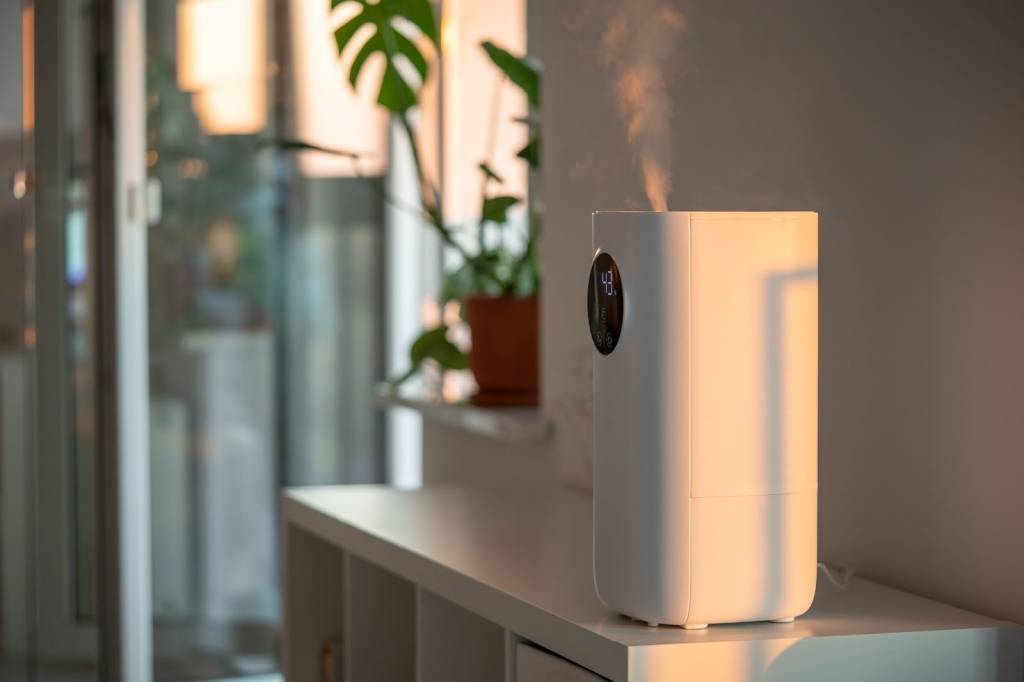
A humidifier increases moisture levels in dry indoor air. This extra moisture helps relieve dry skin, irritated sinuses, and scratchy throats. Winter heating systems often strip humidity from indoor air, making humidifiers more useful during colder months. This moisture also reduces static electricity and protects wood furniture. Homes in dry climates benefit from steady humidity control. Medical sources often recommend moderate humidity for respiratory comfort.
How Air Purifiers Work to Clean Indoor Air
Air purifiers operate by cycling room air through specialized filters. This process steadily lowers the concentration of airborne particles. Homeowners rely on these systems for cleaner breathing environments. Understanding the mechanics helps match the device to specific air concerns.
Filtration Process Inside an Air Purifier
An air purifier draws air into the unit using an internal fan. This airflow passes through one or more filters that trap particles. HEPA filters capture microscopic particles that standard filters miss. Activated carbon layers absorb odors and gases from household sources. This cleaned air exits the unit and re-enters the room. Over time, repeated cycles reduce overall indoor pollution levels.
Common Pollutants Air Purifiers Remove
Air purifiers target particles floating in indoor air. These particles include dust mites, pollen, mold spores, and pet dander. Smoke from candles or cooking also gets filtered out. Some units reduce airborne bacteria and ultrafine debris from outdoor pollution. This removal improves air clarity and smell. Homes near busy roads often benefit from continuous filtration.
Maintenance Needs for Long-Term Performance
Air purifiers require routine filter replacement to stay effective. Filters gradually clog as they collect particles. This maintenance schedule varies by household conditions. Ignoring replacements reduces airflow and cleaning ability. Most modern units provide filter change indicators. Regular upkeep protects indoor air quality consistency.
How Humidifiers Add Moisture to Indoor Air
Humidifiers work by releasing water vapor into the surrounding air. This added moisture helps balance humidity levels in living spaces. Dry air problems become more noticeable without proper moisture control. Understanding how humidifiers work supports better use habits.
Moisture Distribution in a Humidifier
A humidifier converts water into fine mist or vapor. This moisture disperses evenly through the room air. Cool mist models use fans or ultrasonic vibration. Warm-mist units heat water before releasing it. This controlled moisture improves sleep comfort. Balanced humidity supports nasal and throat health.
Signs a Home Needs a Humidifier
Dry indoor air causes noticeable discomfort. Common signs include cracked skin, dry lips, and itchy eyes. Static shocks become frequent on carpets and furniture. Wood floors may show small gaps or creaks. Indoor plants also dry out faster. These signals indicate low humidity.
Air Purifier vs. Humidifier: Key Differences
The main difference between an air purifier and a humidifier lies in their functions. One cleans the air, while the other changes the moisture levels. This distinction affects health, comfort, and maintenance needs. A precise comparison prevents mismatched expectations.
Air Cleaning Compared to Moisture Control
Air purifiers focus on removing particles already present in the air. Humidifiers adjust the air’s moisture content instead. These functions do not overlap in performance. A purifier will not relieve dry skin issues. A humidifier will not remove dust or allergens. Choosing depends on the primary indoor issue.
Health Effects Compared Side by Side
Air purifiers support allergy and asthma management. Cleaner air reduces exposure to triggers over time. Humidifiers soothe dryness-related discomfort. Excess humidity can encourage mold growth if unmanaged. Balanced use protects respiratory health. Indoor comfort improves when devices match real needs.
Impact on Indoor Air Measurements
Air purifiers change particle levels measured in indoor air. These devices reduce dust, pollen, and submicron particulate matter levels. Air quality monitors often show improvement after extended purifier use. Humidifiers affect relative humidity instead of particle readings. This change in moisture alters how air feels rather than what it contains. Understanding measurement differences helps homeowners track real results.
Risks of Incorrect Device Use
Using the wrong device may worsen indoor conditions. An excessively used humidifier can raise moisture levels beyond healthy levels. This excess moisture supports mold growth and the proliferation of dust mites. An air purifier cannot correct overly dry air problems. This limitation leaves skin and sinus discomfort unresolved. Correct use prevents avoidable indoor air issues.
Using an Air Purifier and Humidifier Together
Some homes benefit from using both devices simultaneously. This combined approach addresses air cleanliness and moisture balance. Proper setup prevents conflicting effects. Awareness supports safer operation.
When Dual Use Makes Practical Sense
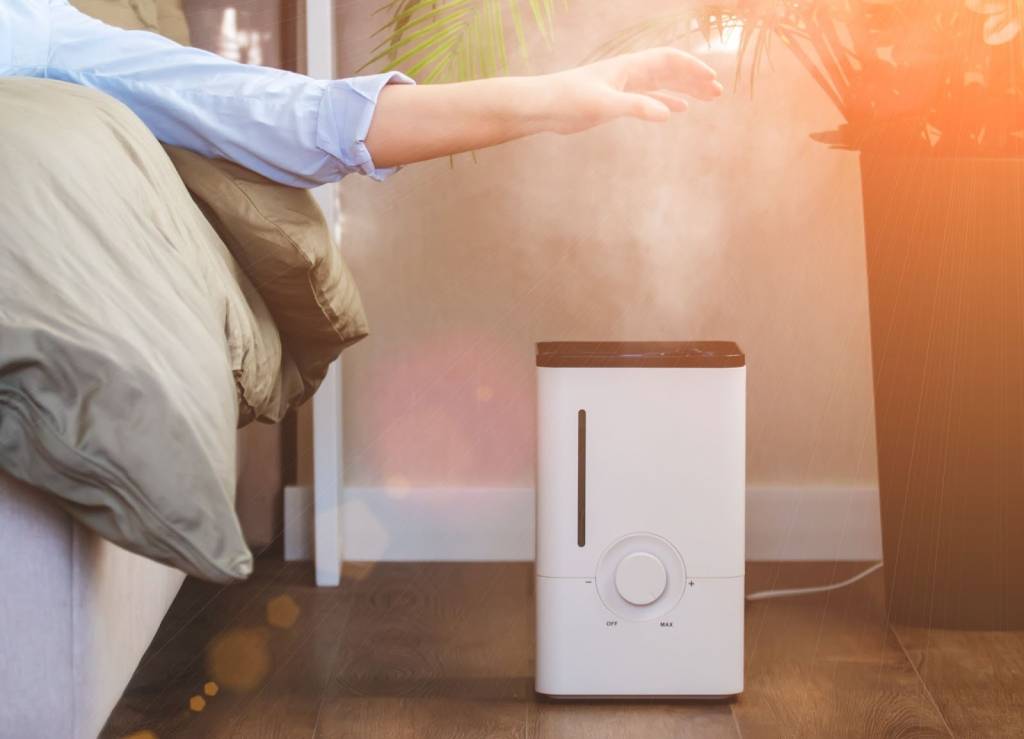
Dual use works well in dry climates with allergy concerns. Winter heating often worsens both dryness and dust circulation. Bedrooms benefit from cleaner, slightly humidified air. Families with respiratory sensitivities notice better sleep comfort—placement matters for performance balance. Monitoring conditions keeps results stable.
Placement and Humidity Monitoring Tips
Air purifiers need unobstructed airflow around them. Humidifiers should stay away from electronics and walls. Hygrometers help track indoor humidity accurately. This monitoring prevents excess moisture buildup. Adjusting output maintains healthy levels. Balanced placement improves device lifespan.
Indoor Air Balance Most Homes Overlook
Indoor comfort depends on balance, not single-device solutions. Many homes struggle because air systems work against each other. Heating, cooling, filtration, and moisture control interact constantly. Ignoring this interaction often leads to uneven comfort and wasted energy.
Why Air Quality and Humidity Affect Each Other
Air cleanliness and moisture levels influence how the body perceives comfort. Dry air allows dust to stay airborne longer. Excess moisture causes particles to cling to surfaces rather than settle naturally. This interaction explains why some homes feel stuffy even with clean air. It also explains why humid air can feel heavier without actual pollution. Understanding this relationship prevents misdiagnosis of indoor air problems. Balanced air supports breathing comfort more consistently.
How HVAC Systems Change Device Performance
Central heating and cooling systems shape indoor air behavior. Forced-air systems circulate particles more aggressively. This airflow increases demand for air purification. Heating systems also reduce indoor humidity as temperatures drop. This dryness amplifies discomfort during the winter months. Humidifiers compensate for this loss but must align with HVAC output. Coordinated use improves results without overcorrection.
Why Room-By-Room Conditions Matter
Not all rooms experience air the same way. Bedrooms often trap stale air overnight. Kitchens introduce moisture and odors daily. Basements collect dampness due to limited airflow. This variation explains why one device rarely solves whole-home issues. Strategic placement matters more than device power alone. Room-specific adjustments support consistent comfort.
How Seasonal Shifts Create Hidden Air Problems
Seasonal changes quietly alter indoor air conditions. Winter increases dryness and static buildup. Summer raises humidity and mold risk. Spring introduces pollen through ventilation. Fall often traps stale air during temperature swings. This seasonal cycle explains fluctuating comfort complaints. Awareness helps homeowners adjust devices proactively.
How to Choose the Right Device for Your Home
The right choice depends on specific household conditions. Indoor air problems vary by climate and lifestyle. Precise evaluation avoids unnecessary purchases. Informed decisions support long-term comfort.
Identify the Primary Indoor Air Issue
Start by observing daily discomfort patterns. Allergy symptoms suggest airborne irritants, while dry skin points toward low humidity. Odors indicate poor air circulation. This assessment narrows device options. Clear goals simplify buying decisions.
Match Device Size to Room Layout
Room size affects device performance. Large spaces require higher airflow capacity. Smaller rooms benefit from compact models. Open layouts influence air circulation patterns. This sizing decision improves efficiency. Correct capacity prevents underperformance.
Consider the Budget, Energy, and Maintenance
Device costs vary by features and capacity. Larger units usually cost more upfront. Air purifiers require ongoing filter purchases. Humidifiers need frequent cleaning and water refills. Energy use differs by model type. Planning avoids unexpected expenses.
Refine Indoor Air Using an Air Purifier or Humidifier
Indoor comfort improves when homeowners respond to actual air conditions instead of assumptions. The decision between an air purifier and a humidifier becomes clearer when airflow, moisture, and filtration work together as intended. HVAC professionals can help identify hidden issues that devices alone may not resolve. Homes that align equipment with professional insight experience steadier comfort and fewer indoor air frustrations. Better air starts with informed choices and the proper guidance.
Find practical guidance and trusted perspectives on indoor air quality at the Air Maxx of Charlotte, Inc. blog.