
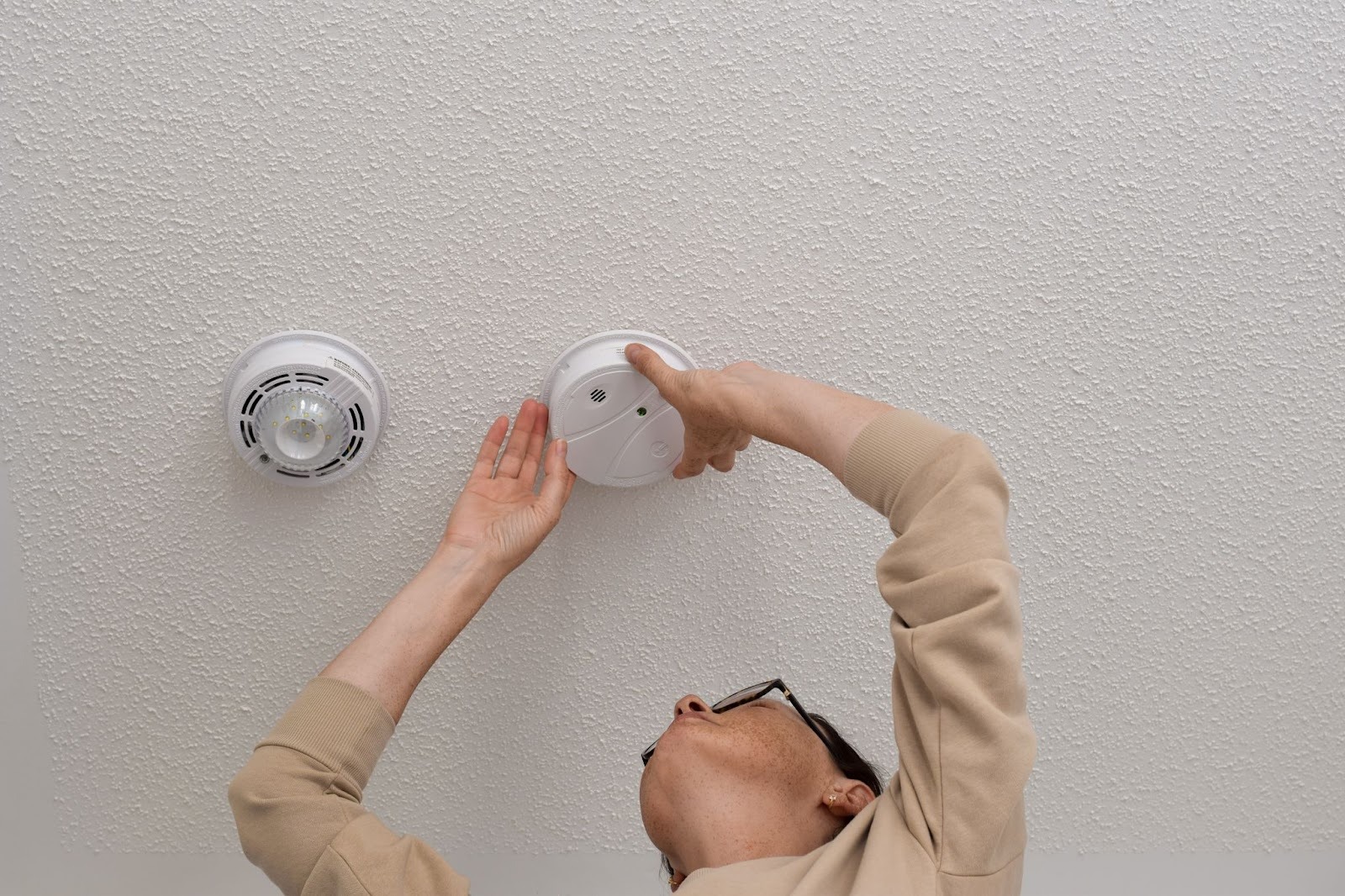
Carbon monoxide moves through homes and commercial spaces without sound or smell, leaving people unaware of the hidden danger. Property owners oversee many daily concerns, yet CO safety requires evident attention due to its silent spread. Families and staff often overlook minor appliance issues that release fumes into shared areas. Rising CO levels leave little time to react once symptoms begin. The correct placement of detectors creates a strong barrier that protects everyone inside the building.
Understanding Carbon Monoxide Risks in Properties
Carbon monoxide forms when fuel burns without enough airflow, and this risk affects homes and business properties alike. Fuel-based appliances emit gas during regular operation, requiring reliable detection in shared spaces. CO spreads through rooms faster than people expect because it blends easily with indoor air. A clear understanding of this hazard guides owners toward better protection measures.
Why CO Exposure Happens Indoors
Fuel-burning appliances release CO when they run with limited ventilation, which is a common issue that leads to indoor buildup. Heaters, boilers, and stoves can malfunction as parts age or vents clog with debris. People often overlook small changes in performance because they adjust slowly over time. Leaks remain hidden until symptoms appear, posing a danger to anyone inside the property. A well-placed detector catches rising levels before they spread through multiple rooms. Good spacing also prevents false alarms that reduce trust. Regular inspections support stronger safety across all property types.
How CO Spreads Through Shared Spaces
CO blends with indoor air without resistance, allowing the gas to travel throughout the entire floor. A single leak in a corner room can reach hallways or upper levels within minutes. Large open layouts will enable the spread to occur even faster because air moves freely over long distances. Smaller rooms trap the gas quickly, which raises exposure faster than people expect. Both settings require detectors in smart locations to prevent blind spots. Owners protect more people when they understand how airflow shapes CO movement. This knowledge guides better placement in busy properties.
Best CO Detector Placement Locations
The most effective CO protection starts with placing detectors where people gather, sleep, and work. Detectors measure CO levels in real time, providing early alerts before symptoms appear. Each strategic location improves coverage across the entire property. Clever placement builds a safer environment for every occupant.
Detectors Near Sleeping Areas
Sleeping areas need CO detectors because people sleep unaware of rising fumes. Overnight exposure affects breathing and makes waking up harder. A unit near each bedroom zone protects families during long rest hours. Hallways outside clustered rooms provide reliable placement for many layouts. Hotels and rentals should include detectors on guest floors to safeguard visitors. Larger homes with multiple wings need more than one device for full coverage. The goal is to catch rising CO before it enters sleeping spaces.
Detectors on Every Property Level
Each floor needs a CO detector because gas can move through stairwells and open walkways. Multi-level structures create multiple pathways for CO to travel, so one detector will not provide broad protection. Basements often contain fuel-burning appliances, so they require special attention. Upper floors trap warm air, which may carry fumes from below. Wider buildings need more detectors to prevent significant gaps. Adding at least one detector per floor builds good coverage. This strategy supports safer circulation patterns across the entire property.
Detectors Near Fuel Burning Equipment
Fuel-burning appliances produce the highest CO risk inside buildings. Furnaces, fireplaces, water heaters, and commercial boilers need detectors within proximity. A range of ten to fifteen feet works well because it avoids false alarms caused by brief CO bursts. Business spaces with industrial equipment may require multiple detectors in a single zone. Good spacing offers an accurate reading without reacting to normal startup fumes. Owners should avoid placing detectors too close to direct heat. Appliances vary in size, so spacing should reflect the room’s layout. This approach helps maintain trustworthy readings.
Detectors in Attached Garages
Attached garages bring vehicle exhaust into the building as people start engines or unload cargo. A detector inside the transition zone near the entry door helps catch rising fumes. Short warm-up periods still create CO buildup that flows indoors. Garages with service bays or fleet vehicles have more exposure points. Multiple units work better for large or commercial garages. Detectors should sit away from direct exhaust vents to reduce false alerts. Garages are a common entry point for fumes, making detector placement crucial.
Extra Placement Rules for Better Safety
Extra placement rules support reliable readings in spaces with unusual airflow or compact layouts. The right height, spacing, and mounting decisions strengthen a complete safety plan. Owners reduce exposure by avoiding installation mistakes. These guidelines improve accuracy in homes and commercial buildings.
Correct Height and Mounting Spots
CO detectors work on ceilings or walls because the gas mixes with the room air. The device should be placed away from corners where air can become stagnant. Installing units away from curtains and shelves improves airflow across the sensor. High-ceiling rooms may require alternative mounting to avoid coverage gaps. Business sites with heavy foot traffic should mount units in protected areas. Vibration affects performance, so secure mounting matters. These choices help the detector read CO levels with precision.
Areas You Should Avoid
Some areas disrupt CO detection, reducing accuracy. Avoid placing detectors near vents, as airflow may push clean air across the sensor. Avoid bathrooms due to the moisture that affects internal components. Kitchens create bursts of heat and steam that generate false alarms. Dead zones behind furniture block airflow and limit detection range. Avoid direct sunlight, as extreme heat can affect how sensors track CO. Temperature-sensitive zones can also interfere with readings. These decisions result in strong, consistent alerts.
Placement for Commercial Buildings
Commercial and multi-unit buildings require broader coverage due to larger structures and multiple fuel sources. Hallways, meeting rooms, and maintenance areas all benefit from detector placement. Shared utility rooms often hold boilers or heaters that need close monitoring. Multi-unit housing must install detectors in each unit and in shared corridors. Workplaces with high foot traffic need clear alert systems for staff movement. Large warehouses require units that match the size of open floors. These properties rely on placement strategies that scale with layout.
Placement Along Ventilation Paths
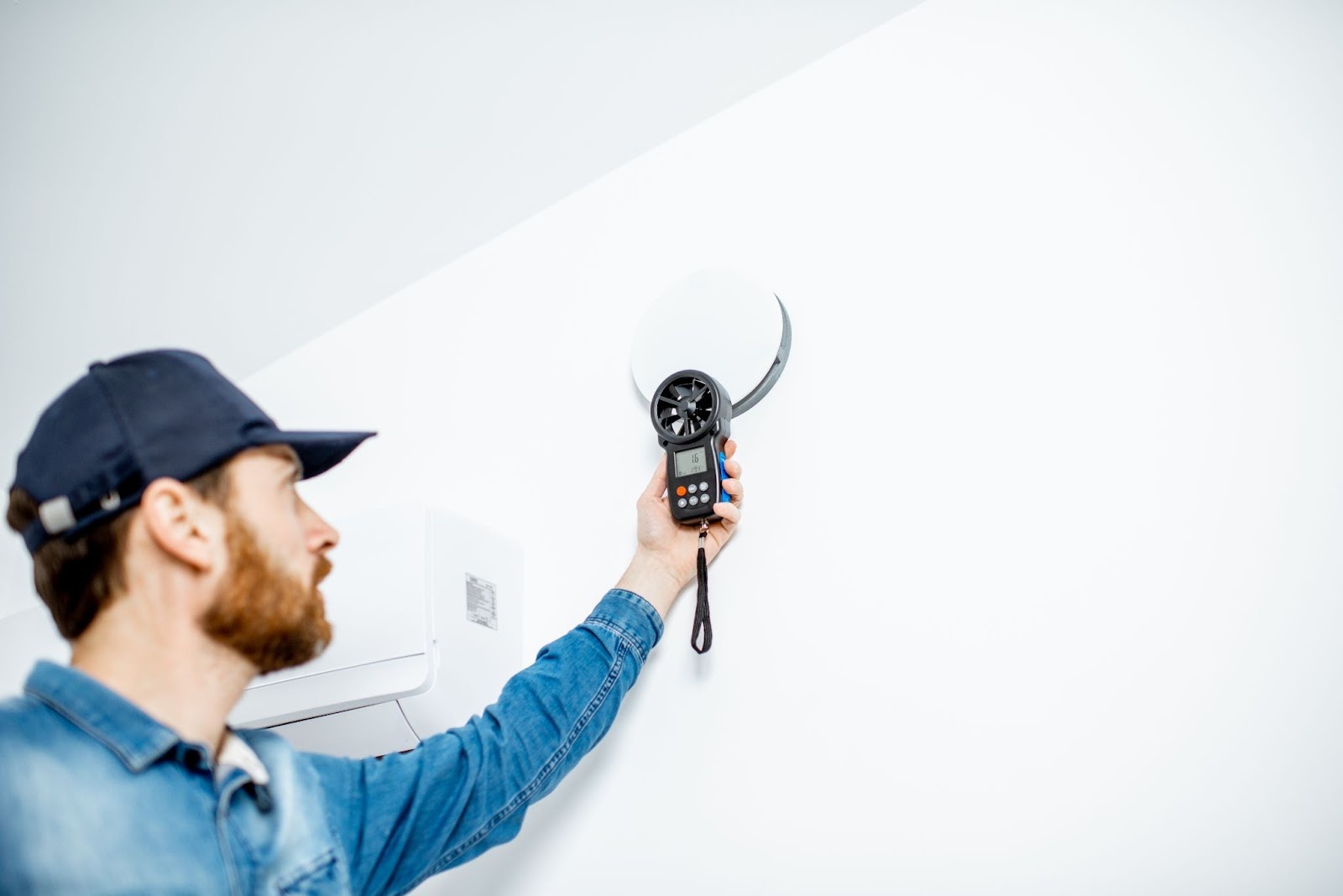
Ventilation paths move air between rooms, which may carry CO farther than expected. A detector near major airflow points helps identify problems early. Hallways, door openings, and ducted rooms offer good placement spots. Buildings with older HVAC systems often circulate air through narrow or unpredictable routes. A detector near air intake points adds another layer of awareness. Commercial spaces should map airflow for more intelligent placement. These locations support faster alerts during emergencies.
Installation Rules for Reliable CO Safety
Installation decisions shape how detectors perform each day. Power sources, testing routines, and replacement timelines keep systems effective for years. Owners who follow a routine gain dependable protection across all locations. These insights help build a strong, long-term plan.
Wired vs. Battery-Powered Units
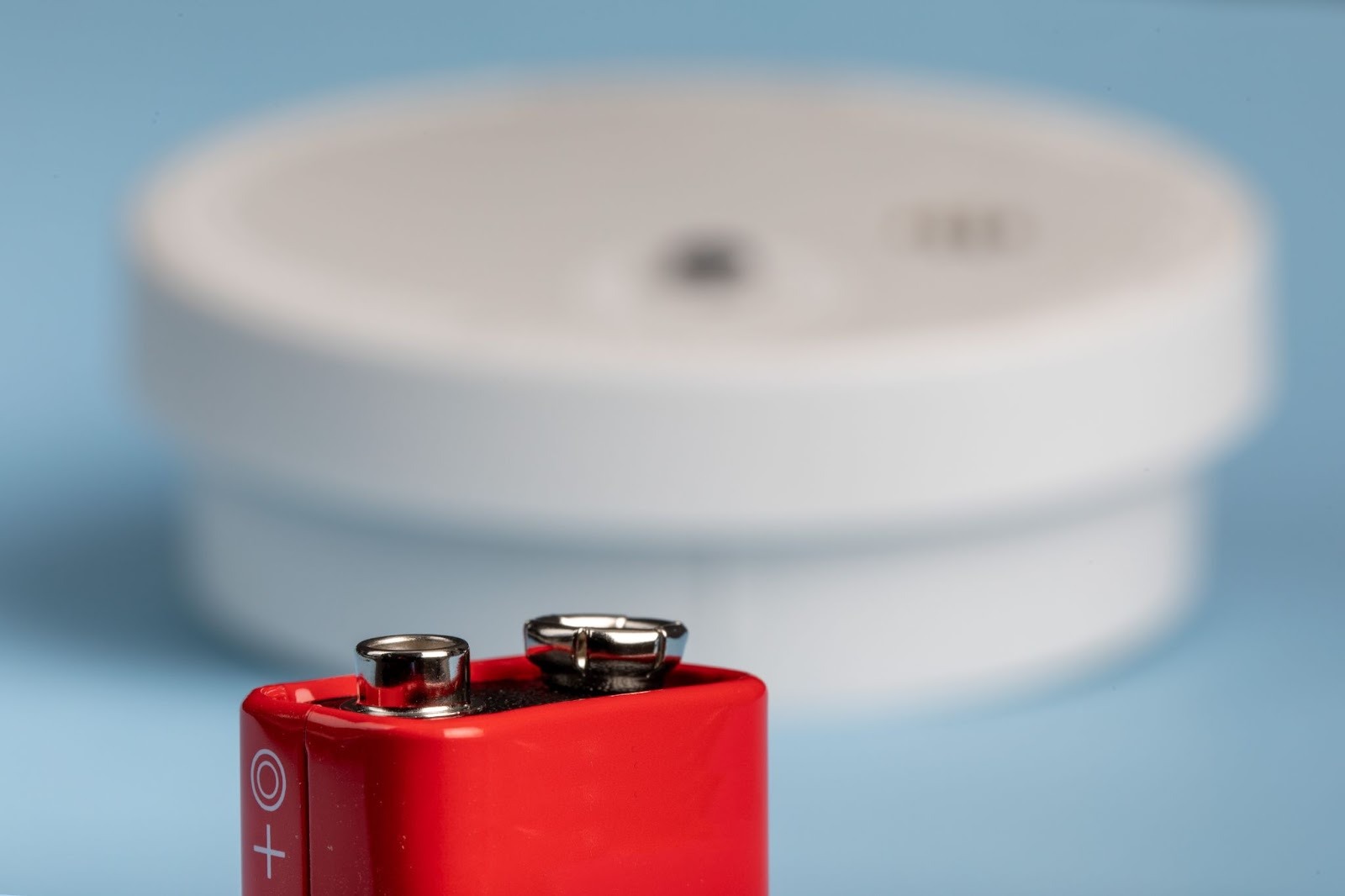
Wired detectors remain powered continuously, making them ideal for permanent installations. Battery units offer flexibility in areas without wiring access. Many properties use both to fit various room designs. Wired units need backup batteries for outages. Battery units need regular checks to prevent downtime. Businesses track battery changes on schedules to avoid service gaps. This balance supports full coverage in varied environments.
Testing and Routine Care
Testing keeps detectors responsive, and owners should run monthly checks. Dust and dirt can block sensors, so light cleaning helps maintain accuracy. Alarm test buttons simplify the process for homes and businesses. Battery checks twice a year keep the power stable. Large properties with maintenance teams build testing into standard procedures. Tracking test dates improves reliability. Routine care extends the useful life of every detector.
Replacement Schedules and Lifespan
Sensors degrade with age, reducing the accuracy of readings. Most detectors last five to seven years, according to manufacturer guidance. Each unit includes printed timelines that help owners plan. Old detectors respond more slowly to rising CO levels. Businesses track replacement dates in maintenance logs. Swapping units on time keeps the safety system strong. This routine protects everyone inside the space.
What To Do After Installing Detectors
CO safety continues after installation, requiring owners to train occupants and plan responses. Alarms require quick action to keep people safe. Staff and families handle emergencies better when they know each step. A structured plan reduces confusion during critical moments.
Responding When a CO Alarm Sounds
CO alarms require an immediate exit from the property. Everyone should leave without stopping to gather items. Windows may be opened only if it is safe to do so. Emergency services should be called from outside. People must stay out until responders confirm safe levels. Businesses should have marked meeting points. Clear actions reduce panic during emergencies.
Training People Who Use the Property
Staff and families need awareness training to respond with confidence. People must recognize symptoms such as dizziness or nausea. Everyone should know the alarm tone and the nearest exit. Short training sessions help teams across business sites. Homes can review steps during routine safety checks. Regular updates keep the plan fresh for all occupants. This training builds safer habits.
Building a Complete Safety Plan
A complete CO plan outlines evacuation steps, meeting locations, and responsibilities. The plan should align with the building’s design and population size. Owners should review and update the plan each year. Renovations or appliance changes may shift CO risk zones. Large buildings benefit from posted instructions in halls or break rooms. Families can store printed plans near detectors. This structure supports quick decisions during emergencies.
Improve Your Carbon Monoxide Safety Strategy
Carbon monoxide risks vary with each appliance, room layout, and airflow path, so your next step determines how adequate your protection will be. Working with trusted air filtration providers strengthens your strategy by adding expert insight that closes safety gaps you may not see. Each well-placed detector supports cleaner air, safer movement, and greater confidence inside your property. Now is the moment to build a stronger plan that shields the people who rely on your space every day.
Strengthen your understanding of clean air strategies by heading to the Air Maxx of Charlotte, Inc. blog, where professionals break down safety topics with clarity and purpose.