Dry indoor air disrupts comfort, irritates the skin, and strains the lungs, especially in busy homes and active business spaces. Property owners notice this shift when heaters run for long hours or when seasons change quickly. Furniture reacts, air feels rough, and people experience mild discomfort during daily tasks. Humidifiers solve these problems by adding controlled moisture back into the air. This balanced humidity creates a healthier indoor climate for people, materials, and HVAC systems.
What Does a Humidifier Do Indoors?
A humidifier increases indoor moisture to counter dry air, which can affect comfort and property conditions. Dryness pulls moisture from the body, irritates, and strains materials across the space. Homes and businesses feel calmer when humidity sits at a stable range. This balance supports daily comfort while also protecting surfaces, equipment, and airflow.
How a Humidifier Works
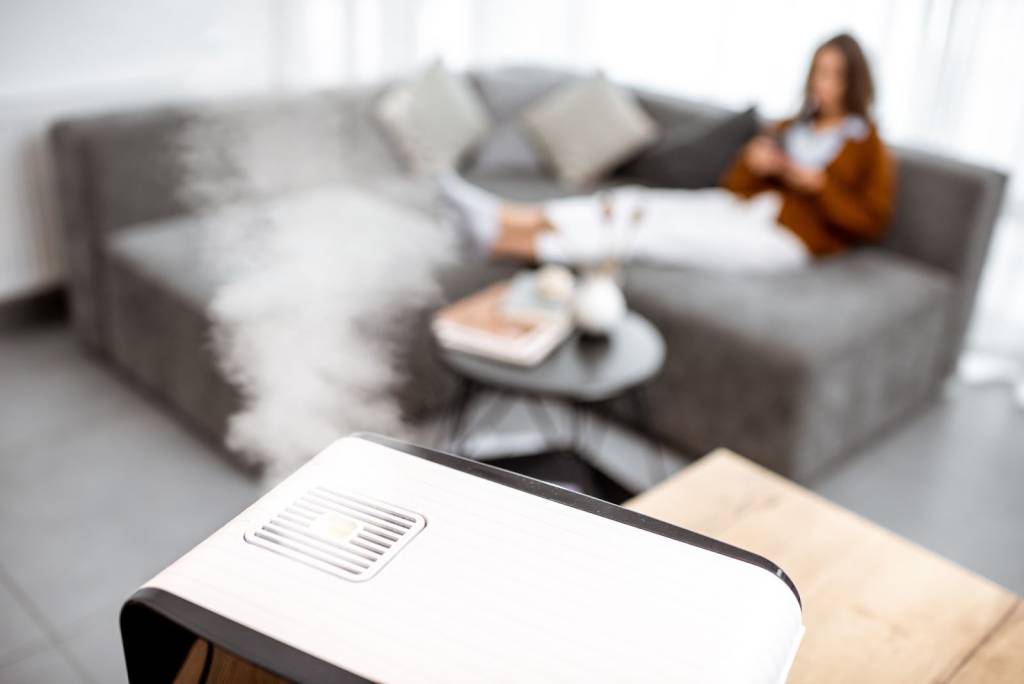
A humidifier adds moisture to the air by converting water into vapor or mist through either ultrasonic movement or evaporative filters. The unit raises humidity until it reaches a target level set by the user or the built-in humidistat. Sensors track current moisture and adjust output in real time. This system keeps humidity steady during active heating cycles and seasonal shifts. Many property owners prefer ultrasonic units for quiet performance, while some choose evaporative models for natural airflow. Commercial buildings often use whole-building humidifiers tied to HVAC lines. These systems provide smooth, comfortable surfaces across large floor areas.
Types of Humidifiers Explained
Humidifiers come in several forms that match different spaces, comfort needs, and workloads. Cool mist units work well for homes and offices because they release room-temperature moisture and support steady comfort. Warm mist units heat water before releasing vapor, which creates a gentle feel during colder months. Ultrasonic units use vibration to produce a fine mist, enabling quiet performance in bedrooms and meeting rooms. Evaporative models pull air through damp filters to create balanced humidity across vast areas. Whole-building units fit into HVAC systems for full-property coverage. These options help property owners choose a style that aligns with their daily routines.
Why Balanced Humidity Matters
Balanced humidity improves comfort, breathing, and the feel of the air inside any property. Dry conditions irritate skin and eyes, cause rough breathing, and increase fatigue during long hours indoors. A humidifier softens the indoor climate and reduces static shocks that bother both people and equipment. Rooms feel more stable as moisture falls within an ideal range of 30 to 50 percent. This range supports wellness in office spaces, retail floors, and private homes. Parents, staff, and guests also notice smoother airflow and less throat irritation. These changes create a healthier indoor experience year-round.
What Does a Humidifier Do for Air Quality?
A humidifier improves indoor air quality by grounding dust, reducing airborne particles, and easing the strain dry air places on people. Indoor climates stay cleaner when humidity stays within a stable range. Families, visitors, and staff feel more at ease with each breath. This cleaner environment also supports materials and sensitive surfaces.
Comfort for Skin, Eyes, and Breathing
Humidifiers help relieve dryness that affects the skin, eyes, and throat by adding moisture, reducing irritation, and creating softer airflow. Dry air pulls moisture from the body, which leads to discomfort during work, rest, or sleep. A humidifier counteracts this loss and helps maintain natural hydration. People notice smoother breathing and fewer throat scratchiness. Eye irritation decreases as moisture stabilizes around the face. Staff in busy workplaces experience fewer distractions from dry air. Families enjoy calmer air quality with fewer rough spots in each room.
Support for Wood and Building Materials
Humidifiers protect wood furniture and trim by maintaining a stable humidity level, preventing cracking, shrinking, or warping. Dry air draws moisture from wood fibers, which causes gaps around floors, frames, and doors. A consistent humidity range keeps these fibers intact. Property owners see fewer shifts in their cabinetry, flooring, and décor. This moisture balance extends the life of finishes and structural details. Commercial spaces with wood displays or fixtures also benefit from less maintenance. High-value materials remain in better shape throughout the year.
Protection for Electronics
Humidifiers help reduce static electricity, which can damage electronics and disrupt performance during dry seasons. Low humidity increases the buildup of static electricity on carpets, clothing, and equipment. A humidifier raises moisture levels, which lowers the surface charge. Electronics experience fewer shock risks, and cables hold up better during regular use. Office workstations run more smoothly, with fewer sudden pops of static. Sensitive equipment in labs or studios also stays safer when the humidity stays balanced. This protection helps maintain productivity.
Cleaner Airflow Across the Space
Humidifiers support cleaner airflow because moisture helps settle dust and particles that move through dry rooms. Dry air lifts debris into circulation, reducing comfort and affecting breathing. Moisture weighs these particles down, keeping them closer to the ground. Indoor environments feel clearer and calmer with fewer airborne irritants. HVAC systems also circulate cleaner air when dust stays settled. Property owners enjoy steadier comfort with smoother movement from room to room. This improvement benefits both small homes and large business properties.
Humidity Benefits for HVAC Systems
Humidity supports HVAC performance by reducing the strain on HVAC systems caused by dry air during heating seasons. Dryness makes warm air feel cooler, which forces systems to run longer. Moisture helps regulate temperature perception and stabilize airflow across the property. These conditions support both comfort and energy use.
Heating Efficiency and Comfort
Humidifiers improve heating efficiency because humid air feels warmer to the skin, allowing lower thermostat settings without sacrificing comfort. Dry air creates sharp, cold sensations, even when heaters are running at high levels. Added moisture softens the indoor climate. HVAC systems cycle less often when humidity stays balanced. Energy use may drop as a result. Families and staff notice fewer temperature swings. Rooms feel more comfortable during long winter periods.
Less Wear on System Components
Humidifiers help reduce wear on HVAC components by balancing humidity, reducing dust movement, and easing airflow. Dry air pushes more debris through ducts and filters. Moisture helps these particles settle to the ground before they reach the system. Filters stay cleaner for longer, and motors operate with less resistance. Vents distribute air more smoothly with fewer blockages. Property owners spend less time managing filter replacements. HVAC systems enjoy a longer service life.
Improved Duct Flow and Circulation
Humidifiers improve duct flow because humid air moves more softly and evenly than dry air. Dry conditions make airflow feel sharp and uneven across large spaces. Moisture creates smoother movement through every vent. Rooms stay more consistent in temperature. People notice calmer airflow that supports daily tasks. Offices and homes both benefit from these balanced conditions. HVAC systems maintain better performance with steady circulation.

Humidity Control for Property Value
Humidity control supports property value by protecting materials, improving comfort, and enhancing the customer and guest experience. Balanced moisture helps preserve surfaces, equipment, and the overall feel of the space. Both residential and commercial properties benefit from stable indoor conditions in the long term.
Office and Workplace Benefits
Humidifiers support office comfort by reducing skin irritation, breathing discomfort, and static shocks that affect staff productivity. Dry air disrupts workflow and creates tension during long workdays. Balanced humidity allows employees to focus with fewer distractions. Conference rooms feel smoother during presentations. Electronic workstations handle fewer static issues. Airflow remains softer in high-traffic areas. The entire workplace feels more straightforward to navigate.
Retail and Hospitality Advantages
Humidifiers enhance the indoor climate in retail stores, hotels, and restaurants, improving the customer experience. Dry air makes rooms feel harsh and unwelcoming. Proper humidity creates a warm and comfortable environment. Merchandise holds its shape and finish under stable moisture. Wood cases, fabrics, and delicate goods display better throughout the day. Guests stay longer when they feel relaxed. Customer satisfaction rises with these improvements.
Industrial and Storage Facility Support
Humidifiers protect stored goods by reducing dryness that weakens packaging and sensitive items. Warehouses and industrial sites rely on consistent humidity to maintain product integrity. Moisture control helps prevent cracking, peeling, or static-related damage. Workers handle materials with fewer complications. Equipment rooms face fewer static shocks that disrupt workflow. Long-term storage areas benefit from stable environments. Operations run more smoothly with fewer climate-related issues.
Protection for Art and Décor
Humidifiers help maintain artwork and décor by providing a stable level of moisture, which prevents cracking, warping, and fading. Dry air shrinks frames and strains paint layers. Moisture keeps these materials flexible and intact. Galleries rely on humidity control for preservation. Private property owners also protect valuable pieces this way. Decorative elements stay vibrant through seasonal shifts. Long-term care becomes easier with a balanced humidity level.
Choosing the Right Humidifier
Choosing the right humidifier depends on room size, property goals, and maintenance preferences. Each environment requires a different output level and design. Precise evaluation helps narrow the options. This planning ensures better long-term results for any building.
Key Features to Prioritize
A humidifier should offer strong control, quiet function, and proper output for the space size. A built-in humidistat keeps moisture within a set range. Quiet models are ideal for bedrooms and offices with minimal noise. Output levels should match the room’s square footage. Filter or filter-free designs affect long-term maintenance. Water tank size determines how often refilling is needed. These features shape daily performance.
Installation and Maintenance Needs
A humidifier works best with steady cleaning and proper care. Tanks need regular scrubbing to prevent mineral buildup. Filters should be replaced before airflow weakens. Water quality affects longevity, especially in hard-water areas. Property owners should watch for weak mist, unpleasant odors, or residue. These issues signal that cleaning is due. Balanced maintenance supports reliable performance.
Humidifiers for Large Facilities
Large commercial spaces need humidifiers that cover vast areas through integrated HVAC systems. Whole-building humidifiers connect to ducts and deliver consistent output across many rooms. They support long operating hours without multiple portable units. These systems reduce daily maintenance and simplify control. Facilities benefit from uniform moisture throughout every zone. Equipment stays safer under stable humidity. Staff and visitors enjoy smoother, more comfortable indoor conditions.
Adapting to Seasonal Shifts
A humidifier helps adjust the indoor climate as seasons change and humidity levels rise or fall. Winter brings harsh, dry conditions that strain comfort and materials. Summer may require a lighter balance indoors. A flexible humidifier quickly adapts to these shifts. Properties stay comfortable all year. Building materials experience fewer climate-related cycles. People move through each season with a steady indoor feel.
Boost Indoor Air Quality With the Proper Humidifier
Proper humidity control shapes a healthier environment and supports the long-term strength of your property. A well-chosen humidifier brings steady comfort, cleaner airflow, and smoother HVAC performance with minimal effort. These gains help you create a space that feels better to live in and easier to manage through shifting seasons. If you want lasting comfort and cleaner air, seek guidance from a trusted provider of air filtration products. The right humidifier can move your property toward that goal with clarity and confidence.
Explore practical insights and expert tips on healthier indoor air by visiting the Air Maxx of Charlotte, Inc. blog.